Service Operations Manager
Alex, the Service Operations Manager at Simplex-IT has spent the last 6 years in IT, gaining expertise in resolving a wide array of software, hardware, and network issues. He began his career with a four-year stint in internal IT operations, where he honed his technical and operational skills. Seeking to diversify his experience across various IT landscapes, Alex transitioned to a Managed Service Provider (MSP), further broadening his knowledge and skill set.
At Simplex-IT, Alex has been instrumental in identifying and implementing numerous enhancements to client services. His current role as Service Operations Manager sees him at the forefront of continuous service improvement initiatives. Alex’s approach to service delivery is underpinned by a strong commitment to customer service excellence. His ability to merge technical acumen with a customer-centric mindset allows him to deliver innovative and tailored IT solutions that drive client satisfaction and operational success.
Connect with Alex on LinkedIn: https://www.linkedin.com/in/alexander-kovach-454837155
Alex Kovach Seen In Our Videos:
Leaving a laptop in your car exposes it to theft, extreme temperatures, and potential data loss. Understanding the risks helps protect both your device and your business information.
Cars are a common target for laptop theft. Heat and cold can cause permanent damage to components.
Leaving a laptop in your car exposes it to theft, extreme temperatures, and potential data loss. Understanding the risks helps protect both your device and your business information.
Key Takeaways
- Cars are a common target for laptop theft
- Heat and cold can permanently damage laptop components
- Stolen laptops can expose sensitive business data
- Encryption and backups reduce risk if a device is lost
- Bringing your laptop with you is always the safest option
Protecting your laptop protects your data and your business. Explore more about device security in our Learning Center.
Spam and phishing both show up in your inbox, but only one is designed to seriously harm your business. Understanding the difference helps reduce risk and prevent costly security incidents. Spam is unwanted email focused on volume, not theft and phishing uses deception to steal data or install malware.
Spam and phishing both show up in your inbox, but only one is designed to seriously harm your business. Understanding the difference helps reduce risk and prevent costly security incidents.
Key Takeaways
- Spam is unwanted email focused on volume, not theft
- Phishing uses deception to steal data or install malware
- Phishing attacks can lead to ransomware and data breaches
- Employee training is as important as security tools
Knowing the difference between spam and phishing helps your business stay one step ahead of attackers. Explore more about email security in our Learning Center
What’s an endpoint firewall and why does your business need one? Endpoints, like laptops, desktops, tablets, and smartphones, are the doors into your network. Without protection, these devices can become easy targets for hackers and malware.
Visit our Learning Center to view more videos!
Alex Kovach Featured Blogs
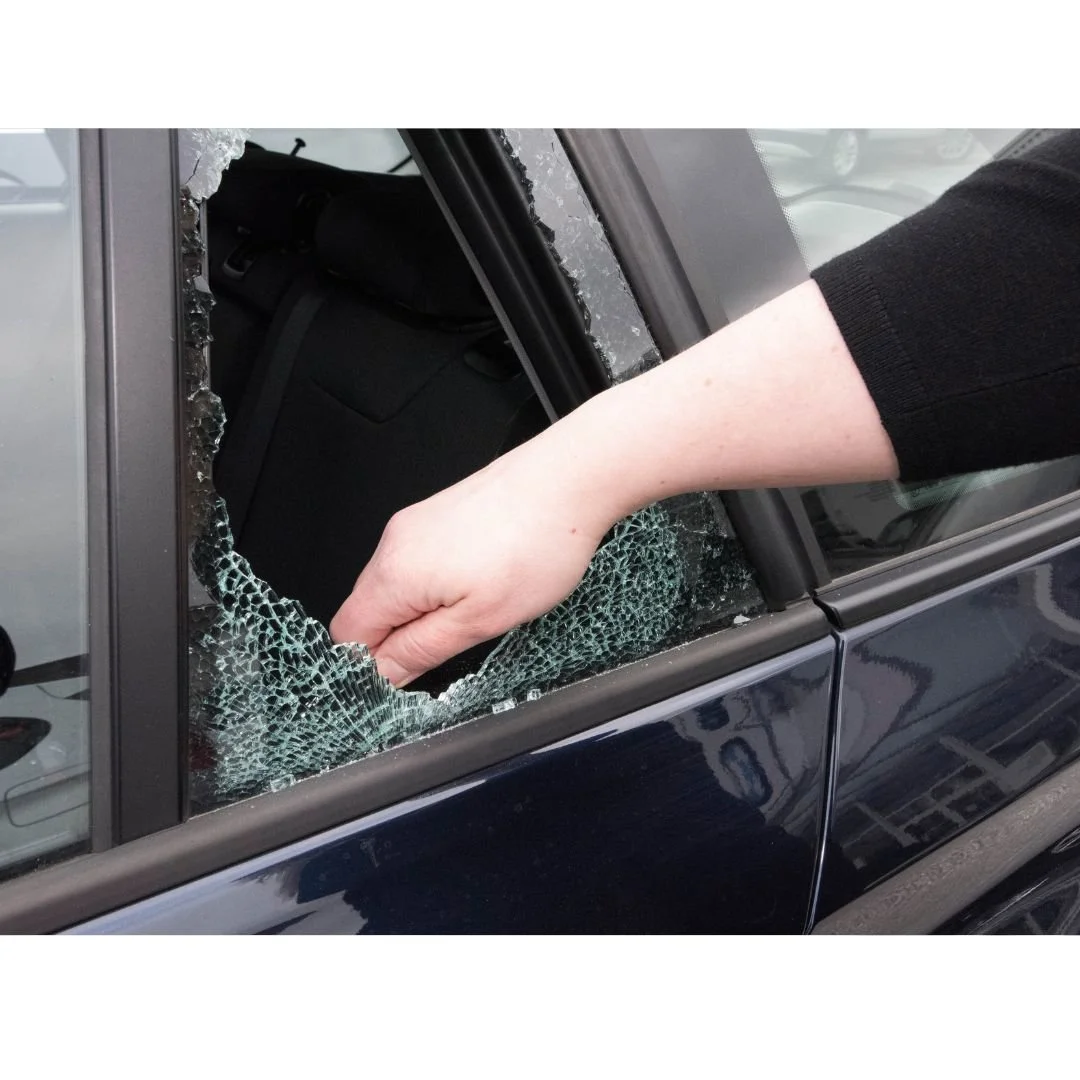
It’s tempting, especially if you’re just running into a store or heading to an event. But the truth is, it’s almost never a good idea. The first and biggest risk is theft. Cars are one of the top places thieves look for electronics, and a smash-and-grab can happen in seconds.
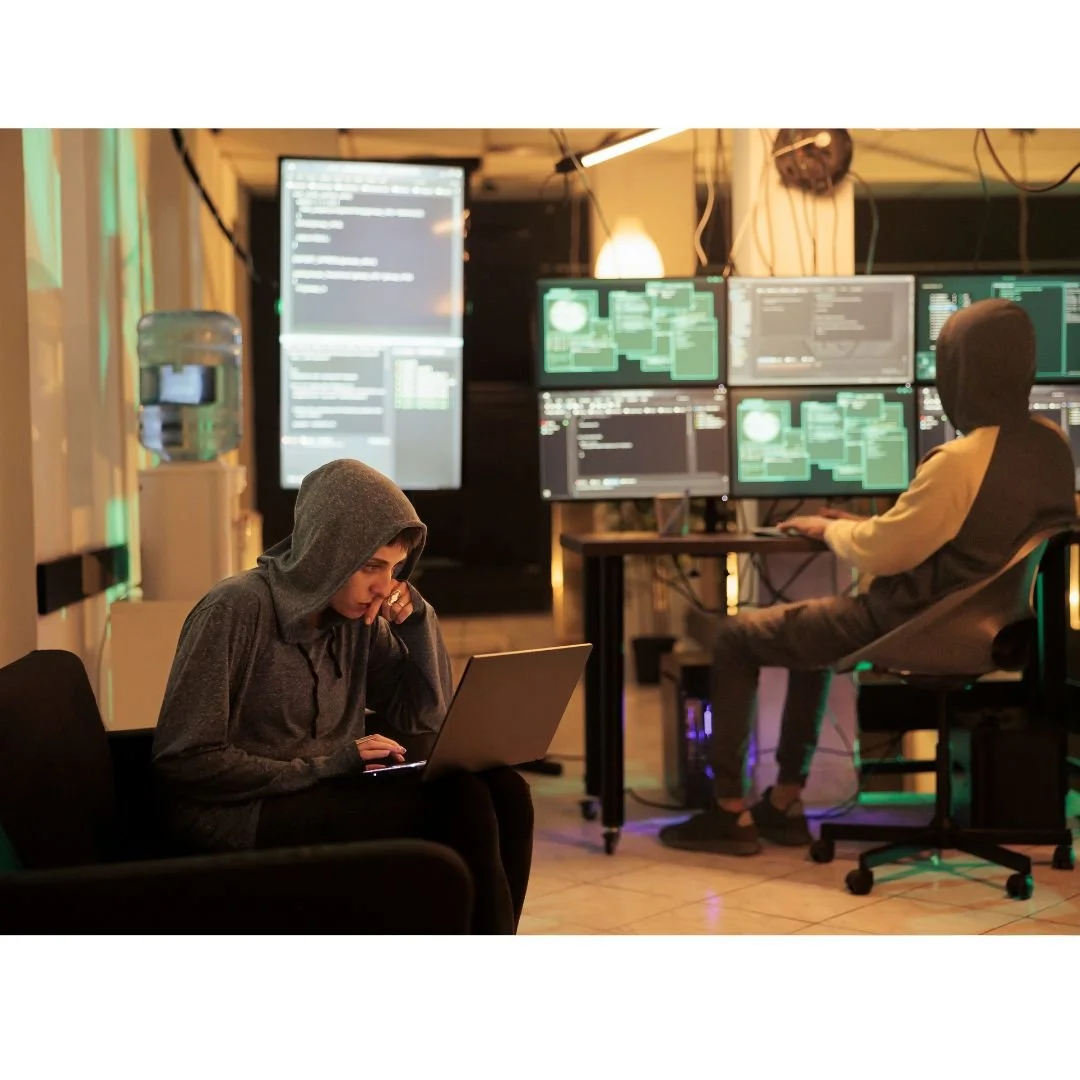
Picture this: You come into work one morning, turn on your computer, and a message pops up: “Your files have been encrypted. Pay $50,000 to get them back.” This is ransomware—a type of cyberattack that locks you out of your own data until you pay a ransom.
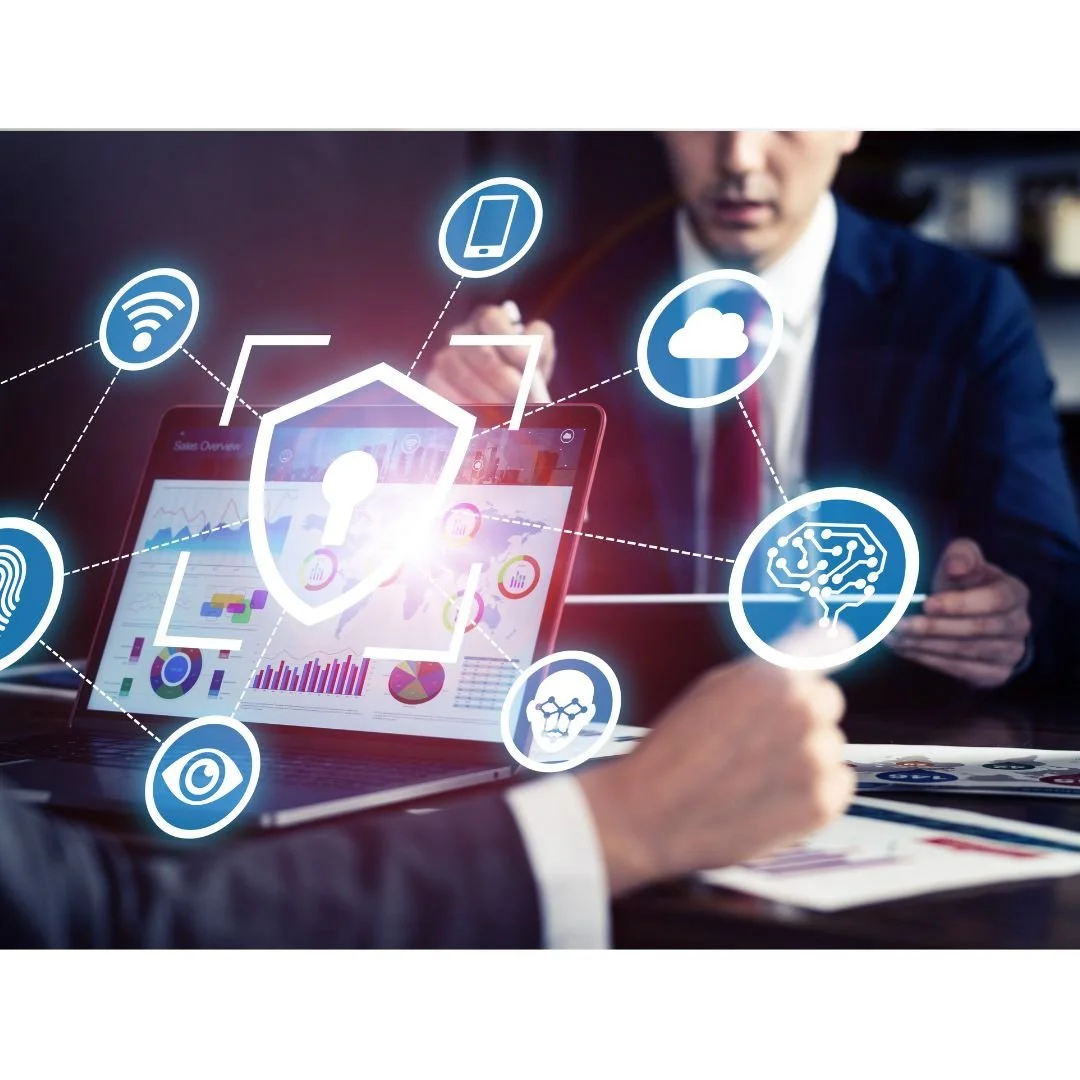
Artificial Intelligence (AI) is helping businesses in amazing ways—from automating tasks to improving customer service. But what happens when cybercriminals use AI to their advantage? In 2025, we’re going to see a rise in AI-powered attacks, making it harder for businesses to stay safe.
An insider threat refers to the risk or potential harm posed to an organization's data, systems, or security by individuals who have authorized access to the organization's resources. These individuals could be current/ former employees, contractors, or business partners who possess knowledge, privileges, and/or access rights within the organization's systems and networks.
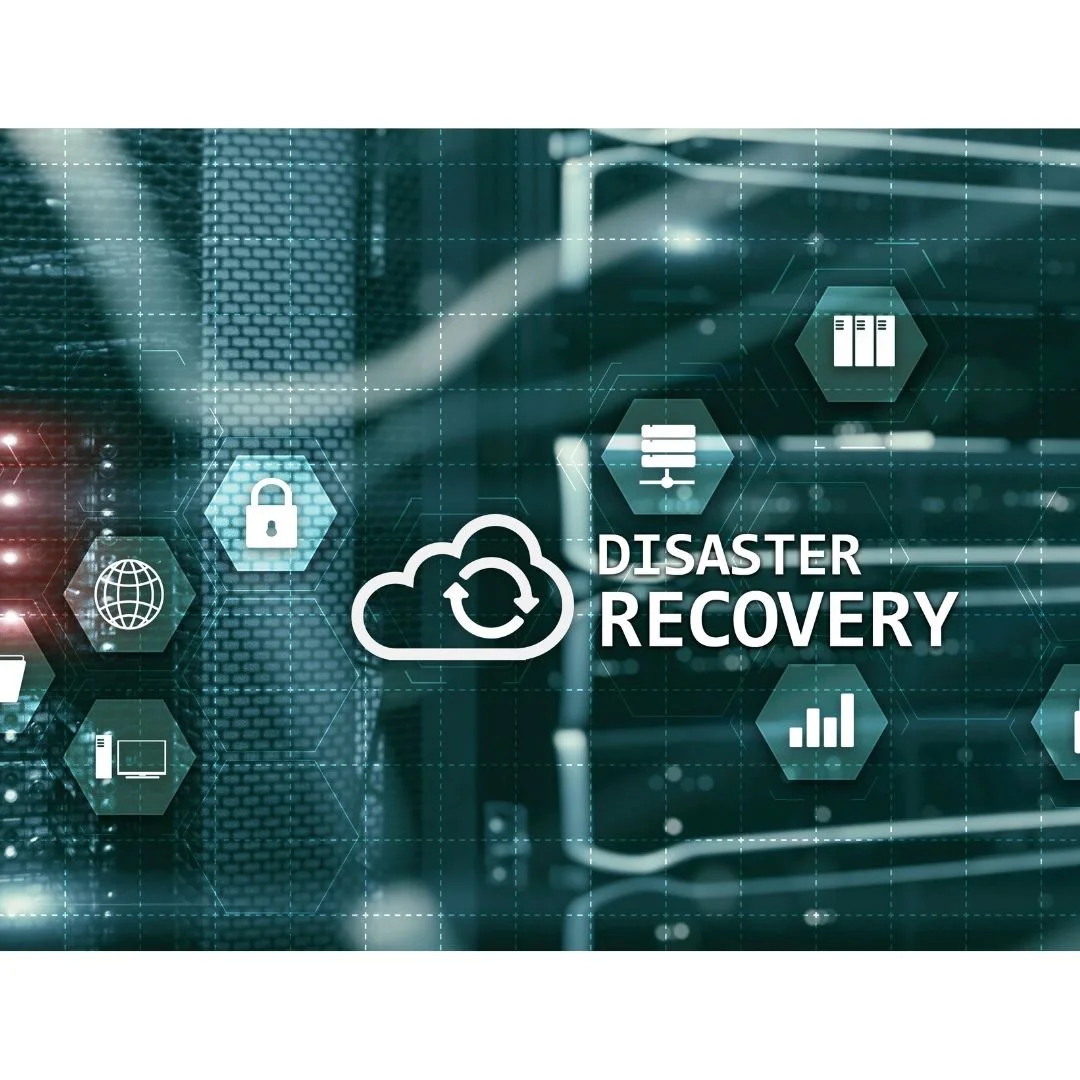
A BCDR device stands for Business Continuity and Disaster Recovery device. It's a specialized tool that helps businesses protect their data and IT infrastructure in case of unexpected events like natural disasters, power outages, cyber attacks, and hardware failures.

Ever wondered how typing a web address like https://www.simplex-it.com magically brings you to the right website? The answer is DNS, the internet’s phone book. In this video, we’ll break down, what DNS is and how it works behind the scenes, why it’s critical for websites, emails, business operations and more!
Play Video
Ever wondered how typing a web address like https://www.simplex-it.com magically brings you to the right website? The answer is DNS, the internet’s phone book. In this video, we’ll break down, what DNS is and how it works behind the scenes, why it’s critical for websites, emails, business operations and more!
Visit our Learning Center to view more videos!