
Understanding Risk and Responding Effectively
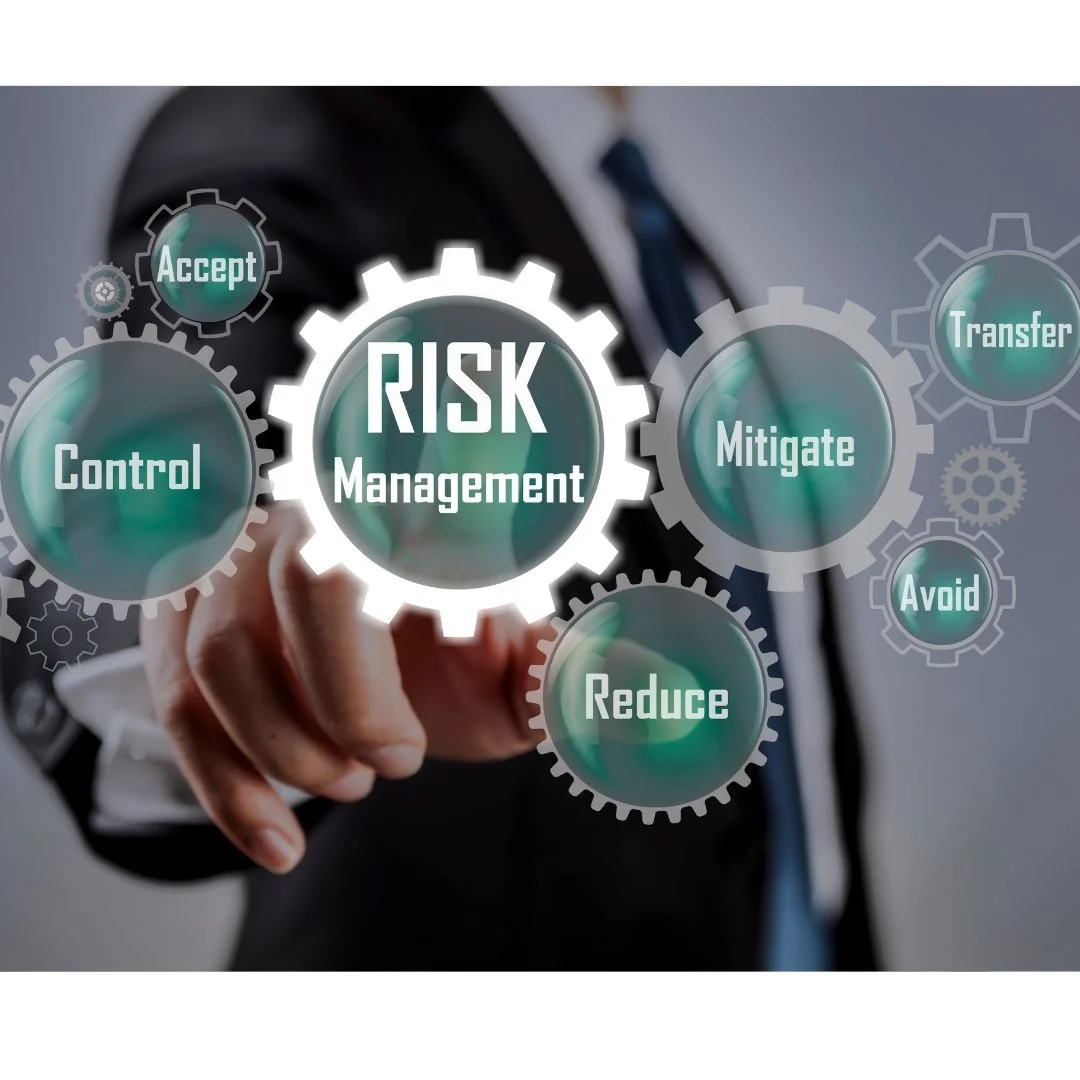
Can I eliminate risk? Not really. There's always going to be some inherent risk in everything we do. But there are different responses that you can take to reduce that risk. For instance, you can mitigate the risk by putting appropriate controls and safeguards in place to decrease the impact of that risk.

What are SIEM and SOAR?
SIEM, or Security Information and Event Management, is a platform that collects and stores all the logs from various sources, including firewalls, servers, endpoints, and cloud platforms, in one centralized location. This allows security teams to monitor and analyze all the logs in one place, making it easier to detect any anomalies or potential security breaches.

How Can My Company Become CMMC Compliant?
CMMC stands for Cybersecurity Maturity Model Certification. CMMC requires buy-in from leadership and management, collaboration from all business leaders, and adoption from the overall staff.
Should Your Company Have a Tabletop Exercise?
Let’s think about a scenario – hackers accessed your network and deployed ransomware. Or there was a crazy weather event and now your main location is non-functional. Is your team prepared if something were to happen? Do they know where those procedures are, what to do, what questions to ask.

When Do You Need Security Awareness Training?
Security awareness training is a critical component of any organization's security strategy. It involves training employees on common security risks and how to recognize and avoid them. This includes identifying phishing emails, scam calls, and text messages, as well as learning how to follow electronic funds transfer procedures and more!

Using the SLAM Method to Recognize Spam
Identify malicious emails using the SLAM method – Sender, Links, Attachments, and Message. One of the biggest elements of any scam is urgency. The goal of any scammer is to get you to respond quickly, without enough time to think through the problem or to consult someone else.
What Not To Do When You’ve Been Hacked
Ok, you got hacked, now what? Ok, first of all, got a cyber response plan? Use it. If you don't? Then if you have cyber insurance, contact your insurance people. If you're not sure, contact your IT support folks. But don't start "fixing the problem”.

Will My Unsupported Microsoft Exchange Still Work?
Does your organization have an unsupported version of Exchange (2013 or older), or you’re not keeping up with patching? If so, you might be looking at some problems delivering emails to MS 365 in the near future.
My Company is Infected With Malware…How Did it Happen?
We’ve all heard “Virus Alert” by Weird Al. Just me? Never mind. The important take away from the song is this: malware and other viruses can be scary. But how does it get from the attacker onto your computer, and from there, how does it spread through your company?

How Often Should My Data Be Backed Up?
Backing up data is a critical process for any business to ensure the continuity of its operations in the event of a disaster. The frequency of backups, however, depends on several factors that are unique to each organization.

How Could Hackers Use AI?
At the end of 2022 artificial intelligence entered the mainstream with tools like ChatGPT, DALL E, and more, becoming wildly popular. As with any tool, they can be a powerful force for positive change in the world, but in the wrong hands they could cause harm. So how is AI technology empowering hackers?

Is Your CEO Really Texting You?
In today’s fast-paced work environment, it’s not uncommon to receive messages and emails from colleagues and superiors requesting assistance or information. However, with the rise of cyber threats, it’s important to take a moment to pause and think before reacting to these messages, especially when they involve financial transactions or sensitive information.

6 Ways to Prevent The Most Common Source of Data Breaches
In today’s digital age, businesses heavily rely on cloud solutions to store and manage their data. While cloud technology has proven to be highly convenient and efficient, it also comes with some risks. One of the most common sources of data breaches is the misconfiguration of cloud solutions.

New Microsoft Outlook Vulnerability
Attention all Microsoft Outlook users! A new vulnerability has been revealed, and it's a pretty scary one. Essentially, a malicious entity can send an email to a user without any action on their part, and potentially obtain their password. Considering how much sensitive information is shared via email, this is a major concern.

What is Laptop Encryption?
I just stole a laptop and took out the hard drive. I now have access to everything on it, regardless of the password used to log on. Just attach it to another computer, and I've got everything. Unless it's encrypted. Data encryption is the process of encoding data stored on your laptop so that it can only be accessed by an authorized user.

Don’t Let Scammers Take Advantge During a Crisis
In recent times, we have witnessed a significant banking collapse, including the downfall of Silicon Valley Bank, which has created chaos and confusion in the financial industry. As businesses and individuals attempt to navigate this unprecedented situation, it is essential to remember that scammers often take advantage of such events.

Does Microsoft Back Up Your 365 Data?
We’ve said it several times before. The last line of defense for almost all bad things in IT is a good backup. Does it make sense that your Microsoft 365 data…emails, contacts, calendars, SharePoint Online, OneDrive for Business, Teams…should absolutely be backed up and protected. Is it (I hear you cry)?

Should I Update Flash?
Spoiler alert: Get rid of Flash. Ok, here's the thing. Adobe Flash was an add-on to most web browsers back in the day. It really enabled web sites to do a lot. It especially makes it easier for bad guys to do bad things.

What Steps to Take When Your Business Credentials Are Stolen?
You’ve just discovered there are compromised employee credentials or other sensitive data of your company exposed and available on the Dark Web. The reality is, once exposed on the Dark Web, your information cannot ever be completely removed or hidden.

Keylogger…What Is It and What Does It Do?
Keyloggers are programs that capture everything you type. Passwords, credit card numbers, the webpages, answers to security questions – all by logging your keyboard strokes. The program is installed on your computer, usually through some form of spyware, and records what you type. All of this is then sent to the the bad guys use it to in a number of their bad guys ways.