Are Packet Sniffers Safe? What They Do and How They Protect Your Network
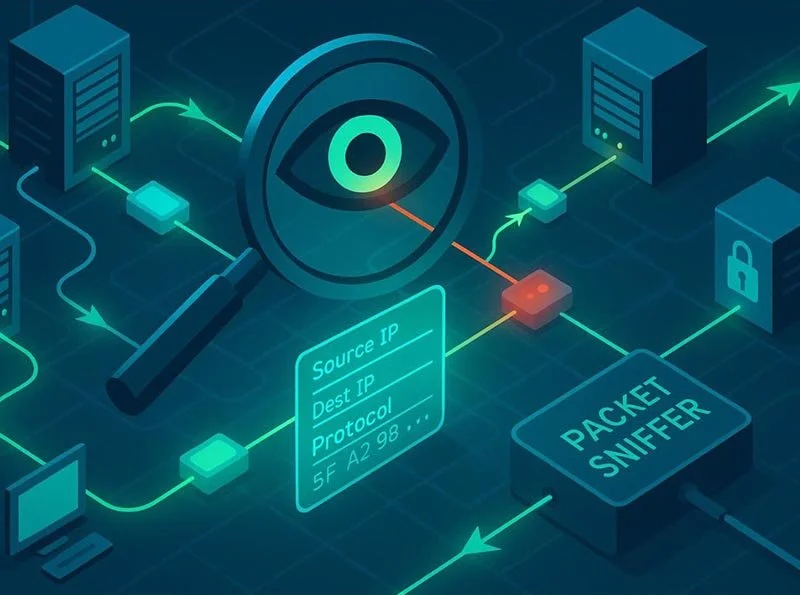
If you've ever heard the term "packet sniffer" and pictured some kind of digital detective snooping through internet traffic, you're actually not that far off.
A packet sniffer is a tool - usually software, sometimes hardware - that watches data as it travels across a network. Imagine a traffic camera on a digital highway, monitoring tiny packets of information moving back and forth between devices.
Each of these packets contains a small piece of data - like part of a web page, an email, or a file - and some extra details about where it came from, where it’s going, and what type of data it is. A packet sniffer captures these packets in real time, giving IT professionals a behind-the-scenes look at what’s really happening on the network.
Now, that might sound a little like spying - and in the wrong hands, it absolutely can be. But when used responsibly by trained IT teams, packet sniffers are incredibly useful. For example, when a network is running slowly, randomly disconnecting, or behaving oddly, a packet sniffer can help pinpoint the cause. It might reveal a device hogging bandwidth, a failing connection, or even signs of a cyberattack.
Beyond troubleshooting, packet sniffers are also used to improve how networks perform. By analyzing the traffic flow, IT teams can spot patterns, reduce lag, and make sure systems are running as efficiently as possible. They also play a big role in security - helping detect unauthorized access, unusual data transfers, or other red flags before they turn into serious problems.
But here’s where it gets important: because packet sniffers can see everything on the network, including potentially sensitive data, they have to be used with care. Most organizations have strict rules about who’s allowed to use them and under what circumstances. It's not a free-for-all tool - it's one that comes with a lot of responsibility.
So, what is a packet sniffer? It’s a powerful tool for monitoring, diagnosing, and protecting your digital infrastructure. It helps IT teams keep things running smoothly and spot issues before they become full-blown disasters. But like any powerful tool, it needs to be used wisely.
Still have questions or need assistance with packet sniffers? Schedule a call with us or visit our Learning Center for more information. We're here to help!