
Is Your Job Safe from AI? The Surprising Answer
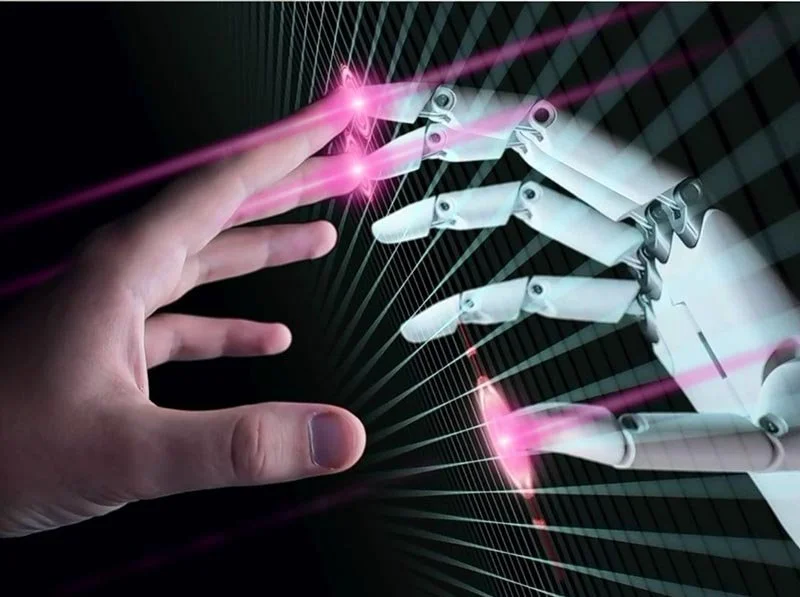
Is AI taking my job? Well ask yourself this: are you a telephone operator or a bank teller?
Everybody knows AI is the next big thing, and it's huge. It's going to have a heavy impact on the job market. But are there examples in history that give us an idea of how things could play out? Turns out, yes. Let's talk about telephone operators and bank tellers.
In the 1950s, there were approximately 1.3 million telephone switchboard operators employed by the Bell System, independent telephone companies, and private settings like offices, hotels, and apartment buildings. They helped customers connect phone calls. By 1960, the number had declined to less than 250,000, as technology eliminated the need. Today, the “telephone receptionist” is more about customer service than technical requirement.
Now, let's talk about bank tellers. The first ATM showed up in the early 1970s, and many economists predicted the complete elimination of the bank teller role.
Oddly, the opposite happened. The number of bank tellers in the United States actually increased slightly over time. Why? Because even though ATMs decreased the need for tellers at a particular branch, they significantly decreased the cost of opening new, smaller branches. This incentivized banks to increase the number of locations, which led to more tellers. It also incentivized banks to increase the complexity, skill set and ultimately pay of the tellers by getting them more involved with customer service, sales, and complex transactions. So, the tellers who lost their jobs to ATMs? They were the ones who weren't interested in improving their own technical skills and making more money.
The interesting thing is that there are a lot of articles on the Internet that talk about the impending doom of jobs and the gloom of humanity based on the introduction of groundbreaking technology. And you know what? A lot of them were wrong. That's not to say that AI isn't going to change things - it already is and will continue to do so.
But the bottom line is this: Evolution matters. Whether we're talking about ourselves as individuals, organizations, or societies. If you blindly assume that everything is going to change or that nothing is going to change, you're in for a surprise.
And I, for one, welcome our new AI overlords.
Still have questions or need assistance? Schedule a call with us or visit our Learning Center for more information. We're here to help!
