
Password vs Passkey: What’s the Difference and Which Is Safer?
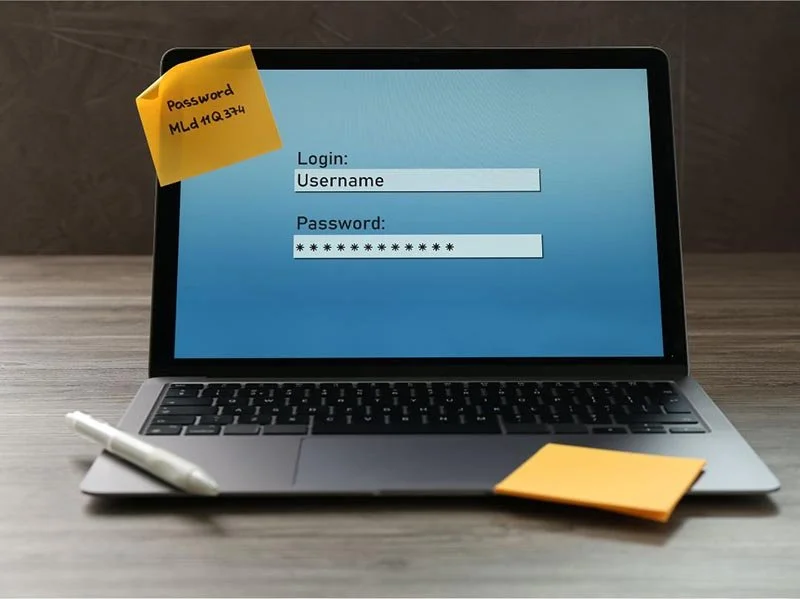
Let’s start with something we all relate to. Think about the last time you forgot a password. Or reused the same one because it was easier.
Or stared at a login screen wondering, “Is this even the real site?” If any of that sounds familiar, you’re not alone and that’s exactly why passkeys exist.
A passkey is a newer, safer way to log into your accounts without using a password at all. No memorizing, typing, or guessing. Instead, you log in the same way you unlock your phone; using your face, your fingerprint, or a quick approval on a trusted device.
So… What Is a Passkey, Really? Here’s the simplest way to think about it.
A password is something you know.
A passkey is something you have.
With a passkey, your phone or computer becomes your key. When you try to log in, the system checks that your device is really yours and once you confirm it, you’re in. No password required.
You don’t need to understand the technical stuff to use passkeys, but it helps to know why they’re safer. When you set up a passkey for the first time, your device creates a secure digital key. That key stays locked on your device. It never gets sent anywhere. The website you’re logging into doesn’t store your secret; it only stores a matching lock. So when you try to log in later, your device proves it has the right key. You unlock your phone or computer, and access is granted. That’s it. Nothing to steal. Nothing to guess. Nothing to reuse.
Passkeys are generally safer than passwords. Passwords have a lot of problems and we all know them. People reuse them, they get leaked in data breaches, they’re stolen through phishing emails, etc. And once one account is compromised, others often follow.
Passkeys fix all of that. They can’t be guessed, reused, can’t be stolen in a data breach, and they don’t work on fake login pages. Even if someone tricks you into clicking a bad link, your passkey simply won’t work there. That’s a huge shift in security.
You don’t have to work in IT to benefit from passkeys. At work, passkeys mean:
Faster logins
Fewer password resets
Less frustration
Fewer security incidents caused by stolen credentials
In your personal life, they mean:
Safer email and banking
More protection for shopping and social accounts
Less reliance on password managers
Fewer chances for attackers to get in
Passkeys protect people - not just systems.
But what if you lose your phone? This is usually the first question people ask, and it’s a fair one. The good news is that passkeys are designed with this in mind.
Most passkeys are securely backed up and encrypted. You can recover them using another trusted device or account. Many systems allow passkeys on multiple devices, and access can be removed if something is lost. In reality, this is far safer than losing a password or having one stolen without you ever knowing.
Passkeys aren’t some future idea; they’re already here. Companies like Apple, Google, and Microsoft are actively rolling them out across phones, computers, and everyday accounts. This is the direction logins are going.
Passkeys matter now more than ever. Most cyberattacks today don’t start with complex hacking. They start with:
A stolen password
A tricked employee
One weak login
Passkeys remove that starting point. If there’s no password to steal, attackers lose their easiest way in.
Passkeys are easier to use. They’re more secure by default. Usually harder to mess up. And they are designed for real people not tech experts. They quietly remove one of the biggest security risks we all deal with every day. And once you use one, going back to passwords feels… unnecessary.
Still have questions or need assistance with Passkeys? Schedule a call with us or visit our Learning Center for more information. We're here to help!