

How to Budget for AI Without Overspending
For most small and mid-sized businesses, AI should be a controlled and intentional part of the technology budget rather than a large one-time expense. Learn how to budget for AI tools, implementation, training, optimization, and governance without overspending.

Should Your Business Use ChatGPT or Microsoft Copilot?
ChatGPT and Microsoft Copilot use similar AI technology but serve different purposes. Learn the key differences in security, business integration, productivity, and data protection.
Who Owns Your Domain Name? Do You Control Your Own Website?
A domain registrar is the company that controls the registration of your business's domain name. Learn why ownership matters, common mistakes businesses make, and how to ensure your company maintains control.

Seasonal Demand Planning: Is Your Technology Ready?
Seasonal business spikes can strain your technology. Learn how to prepare your systems, security, staff, and contingency plans before your busy season hits.

How IT Impacts Employee Retention
Bad IT does not usually cause employees to quit on its own, but slow systems, poor support, weak onboarding, and frustrating tools can quietly push employees toward disengagement.

USB Hub vs. Docking Station: Which Do You Need?
A USB hub adds extra ports, while a docking station creates a more complete workstation with monitors, Ethernet, charging, and faster connections. Here’s how to choose the right one.

How Do You Compare Managed IT Service Providers?
Comparing Managed IT Service Providers (MSPs) starts with evaluating their experience, service offerings, support model, security approach, response times, and ability to support your business goals.

VPN vs. Remote Desktop Explained: Differences, Pros, Cons & Best Uses
Working from home? You’ve probably heard people toss around VPN and Remote Desktop like they’re interchangeable, but they’re not. Picking the wrong one can mean slow connections, security risks, and frustrated employees.
Microsoft 365 Features Every Small Business Should Be Using
If you’re paying for Microsoft 365 and only using Outlook, Word, and maybe Excel… you’re basically buying an all-you-can-eat buffet and only grabbing the breadsticks. Microsoft 365 is packed with tools that can save your business time, improve teamwork, and make your operations smoother, but most companies barely scratch the surface.

Is It Safe to Leave a Laptop in a Car?
It’s tempting, especially if you’re just running into a store or heading to an event. But the truth is, it’s almost never a good idea. The first and biggest risk is theft. Cars are one of the top places thieves look for electronics, and a smash-and-grab can happen in seconds.
Are Passkeys Better for Businesses Than Traditional Passwords?
The short answer is yes. But the long answer is, it’s not even close. Passkeys remove passwords entirely. There’s nothing to type, nothing to remember, and nothing to steal. Instead, your device proves it’s really you.

What Makes a Business Laptop Different from a Personal Laptop?
Buying laptops for your business? It’s not as simple as grabbing the shiniest one on the shelf. The wrong choice could cost you time, money, and a whole lot of headaches. Let’s make sure you pick the right one. It’s about making things easier in the long run: fewer failures, less downtime, and a smoother experience for your employees.

The Biggest Technology Problems Manufacturers Face Today
Every industry has its tech headaches, but manufacturing and professional services face some of the toughest. Especially when it comes to balancing security, efficiency, and day-to-day operations. These challenges aren’t just “IT problems.” They impact productivity, profitability, and your ability to compete.
The Difference Between Spam and Phishing Every Employee Should Know
When it comes to email, we’ve all been there: your inbox fills up with junk you never asked for, and every now and then, something slips in that looks almost legitimate. That’s where the terms spam and phishing come in. They both land in your inbox, they’re both unwanted, but they’re not the same thing.
What Is a Passkey and How Do You Create One?
Creating a passkey is easy. You start by signing in like you normally would. Log into a website or app the same way you always have, usually with your username and password. This is often the last time you’ll need that password. Once you’re signed in, you’ll see an option that says something like “Create a passkey” or “Use a passkey next time.”

Do Ohio Businesses Need GDPR or CCPA Compliance?
Nobody starts a business because they’re excited to read privacy laws. Unless your idea of fun is spending Saturday night with a 100-page PDF and a pot of coffee. But here’s the thing: if your business collects any customer information, names, emails, payment details, even just an IP address, you’re already playing in the world of data privacy laws.

Choosing the Right ISP for Your Business: Speed, Reliability, and Support Explained
When it comes to getting online, one key player makes it all possible: your ISP, or Internet Service Provider. But what exactly is an ISP, and how does it work? Let’s break it down in a way that’s easy to understand and relevant to your business needs.
Password vs Passkey: What’s the Difference and Which Is Safer?
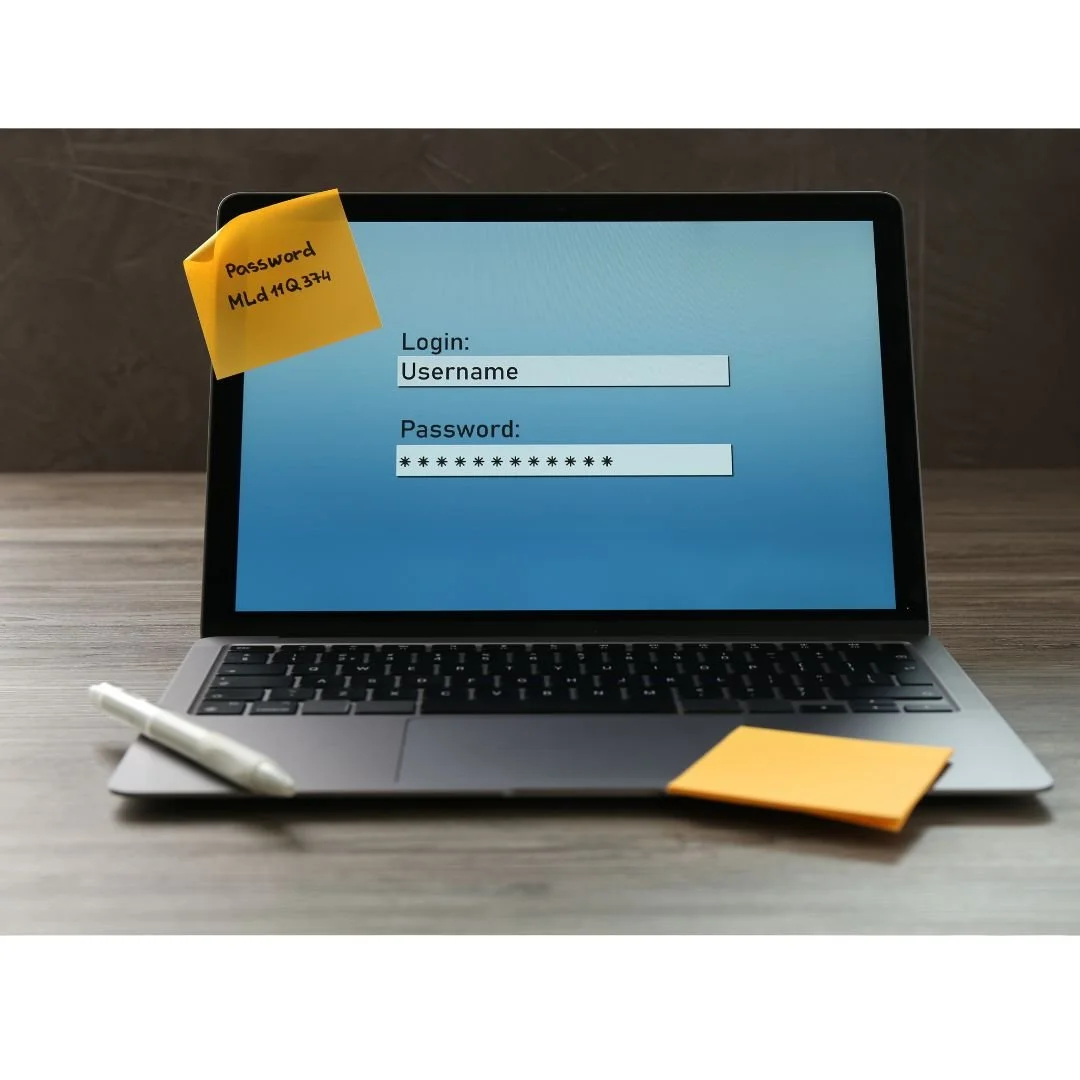
A passkey is a newer, safer way to log into your accounts without using a password at all. No memorizing, typing, or guessing. Instead, you log in the same way you unlock your phone; using your face, your fingerprint, or a quick approval on a trusted device.

How Is AI Changing Small Businesses? Examples in Marketing, Service, and Operations
AI isn’t just for Silicon Valley anymore. It’s quietly becoming one of the most powerful tools for small and mid-sized businesses, even right here in Northeast Ohio. It’s in your inbox, on your website, and maybe even running behind the scenes in the apps you use every day. So how is AI actually changing the way businesses work?
What Is User Authentication in Cybersecurity? A Simple Business Guide
User authentication is a security process that protects your business’s sensitive information by ensuring that only authorized individuals can access certain data or systems. Think of it as a locked door that only the right people have the keys to - without the right key, no entry.