What Does Going Paperless Actually Mean for Your Business?
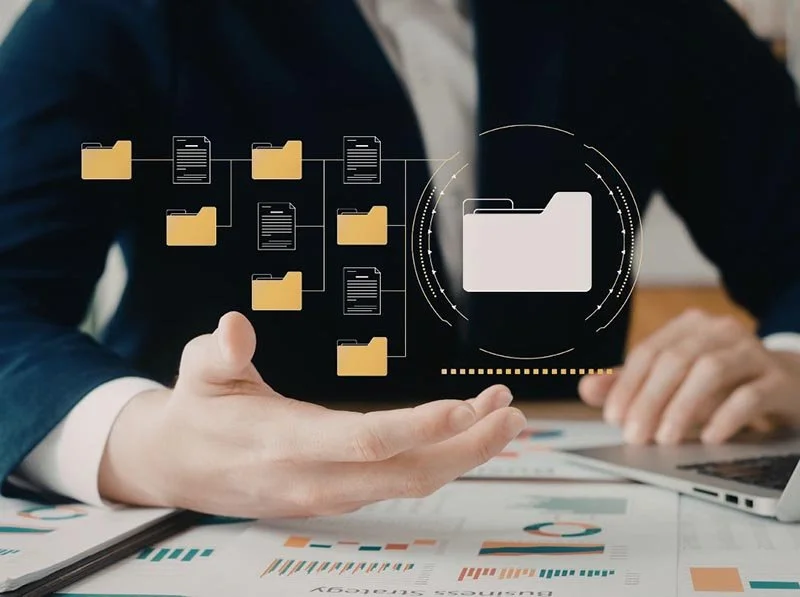
Can your company really go paperless? The short answer is yes - at least mostly. Going paperless doesn’t mean you’ll never see another sheet of paper in the office. What it really means is replacing as many paper-based processes as possible with digital tools and workflows.
Think about things like contracts, invoices, reports, and internal communication. Instead of mailing paperwork, you can send e-signature contracts. Instead of filing cabinets, you can store everything securely in the cloud. Reports can be distributed digitally instead of being printed and passed around. Even project management can move online, using tools that keep tasks organized without the sticky notes and binders.
For most companies, eliminating paper completely isn’t realistic, but reducing paper usage by 80 to 90 percent is absolutely possible - and plenty of organizations are already doing it without disrupting their operations. And once they do, the benefits tend to show up quickly.
Costs drop when you’re not constantly paying for printing, ink, or storage space. Organization improves because digital files are easy to search and access from anywhere. Processes speed up - contracts and approvals that used to take days can be wrapped up in minutes. Security also gets a boost, with encryption and access controls protecting sensitive documents better than a locked filing cabinet ever could. And of course, there’s the environmental impact - cutting back on paper helps reduce your carbon footprint.
Now, not every business can go 100 percent paper-free. Certain industries still require physical copies, like legal documents that must be signed in person, clients without internet access, or compliance rules that demand hard copies. That’s why the more realistic goal is becoming “paper-light.” You’ll still use paper occasionally, but only when it’s absolutely necessary.
So how do you get there? Start by auditing your paper use. Figure out where it’s really needed and where digital can take over. Then begin digitizing important documents into searchable PDFs so you’re not stuck digging through file boxes. Adopt the right tools - cloud storage like OneDrive or Google Drive, e-signature apps like DocuSign, or project management platforms that keep workflows moving. Train your team so they feel confident using digital systems securely. And don’t try to do it all at once - transition one process at a time.
Plenty of small and mid-sized businesses are already running this way, with 95 percent of their documents in digital form. They might still use paper for client welcome packets or a required form here and there, but their daily operations are almost entirely online.
The bottom line? Your company can go paperless, and you’ll likely save time, money, and storage space in the process. It doesn’t have to happen overnight, and you don’t need to aim for perfection. Even moving toward a “paper-light” approach can deliver major benefits for your business, your clients, and the environment.
Still have questions or need assistance with cutting back on paper? Schedule a call with us or visit with us or visit our Learning Center for more information. We're here to help!