What Is Endpoint Protection? How Firewalls Safeguard Your Network Devices
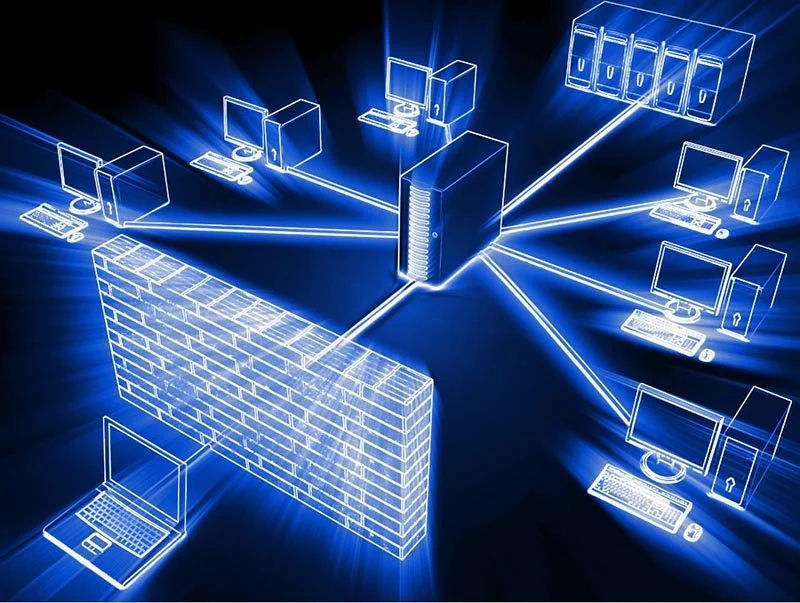
Before we talk about the firewall, let’s quickly explain what an “endpoint” is. Think of an endpoint as any device your employees use to connect to your business’s network.
An endpoint could be a laptop, a desktop computer, a tablet, or even a smartphone. Every time one of these devices connects to the internet or your company’s network, it can become an entry point for cyber threats like malware or hackers.
Now that we know what an endpoint is, let’s get into the firewall part. Simply put, an endpoint firewall is a security tool installed on each of these devices. Its job is to protect the data stored on the device itself and block any unauthorized access from outside threats.
Think of it like a security guard standing at the door of each device. The firewall checks every piece of data trying to enter or leave the device and decides whether it's safe or not. If it senses something suspicious - like a hacker trying to break in - it blocks the access, keeping the device and its data safe.
Why is an Endpoint Firewall Important for Your Business? Every device connected to your company’s network is like an open door. Without proper protection, these doors can be easy targets for cybercriminals. A firewall acts like a locked door, only allowing trusted and safe traffic to pass through.
Here’s why an endpoint firewall is especially important for your business:
Protects Employee Devices: It safeguards the data on each employee’s device, whether they’re working in the office or remotely.
Monitors Activity: Endpoint firewalls allow you to keep an eye on what’s happening on all devices connected to your network. This helps spot unusual or unauthorized activity that could be a sign of an attack.
Stops Cyber Threats in Their Tracks: If a hacker tries to access your data or a virus tries to infect a device, the firewall can stop the threat before it spreads to the rest of your network.
An endpoint firewall acts as a barrier between your device and the internet. It works by monitoring incoming and outgoing traffic, making sure only trusted sources can connect to the device. For example, if an employee visits a website that looks suspicious or tries to download a file with hidden malware, the firewall can block it from happening.
Some endpoint firewalls are also "smart," meaning they can learn from past experiences and adapt. They might detect patterns of suspicious behavior and automatically update to protect against new types of cyberattacks.
If your business relies on computers, smartphones, or tablets to operate - then having an endpoint firewall is essential. Having it on all devices ensures that your company’s sensitive information, like customer data, financial records, or internal communications, is safe. It's especially important if employees work remotely or use personal devices for business purposes.
Cybersecurity is no longer just a concern for big corporations. Small and medium-sized businesses are frequent targets because criminals often see them as being easier to attack. Installing an endpoint firewall on every device is an important step to make sure your company doesn’t become the next victim.
Endpoint firewalls are a vital part of keeping your business’s data secure. They protect each device your employees use, ensuring that cybercriminals don’t have an easy way in. By monitoring all devices and stopping threats at the door, an endpoint firewall helps your business stay safe, no matter where your employees are working from.
Still have questions or need assistance with Endpoint Firewalls? Schedule a call with us or visit our Learning Center for more information. We're here to help!