
The Difference Between Spam and Phishing Every Employee Should Know
When it comes to email, we’ve all been there: your inbox fills up with junk you never asked for, and every now and then, something slips in that looks almost legitimate. That’s where the terms spam and phishing come in. They both land in your inbox, they’re both unwanted, but they’re not the same thing.
What Is User Authentication in Cybersecurity? A Simple Business Guide
User authentication is a security process that protects your business’s sensitive information by ensuring that only authorized individuals can access certain data or systems. Think of it as a locked door that only the right people have the keys to - without the right key, no entry.
How Firewalls, VPNs, and Access Control Work Together to Stop Hackers
You wouldn’t leave your office unlocked overnight, right? So why leave your network wide open? If your digital doors are unlocked, anyone from a bored teenager to a professional cybercriminal can slip in and cause chaos.
Do You Need a Firewall and Antivirus? Here’s the Difference
When people hear terms like firewall and antivirus, they often lump them together as the same thing - just “security tools” that IT companies like to throw around. But while they both protect your business, they do it in very different ways.
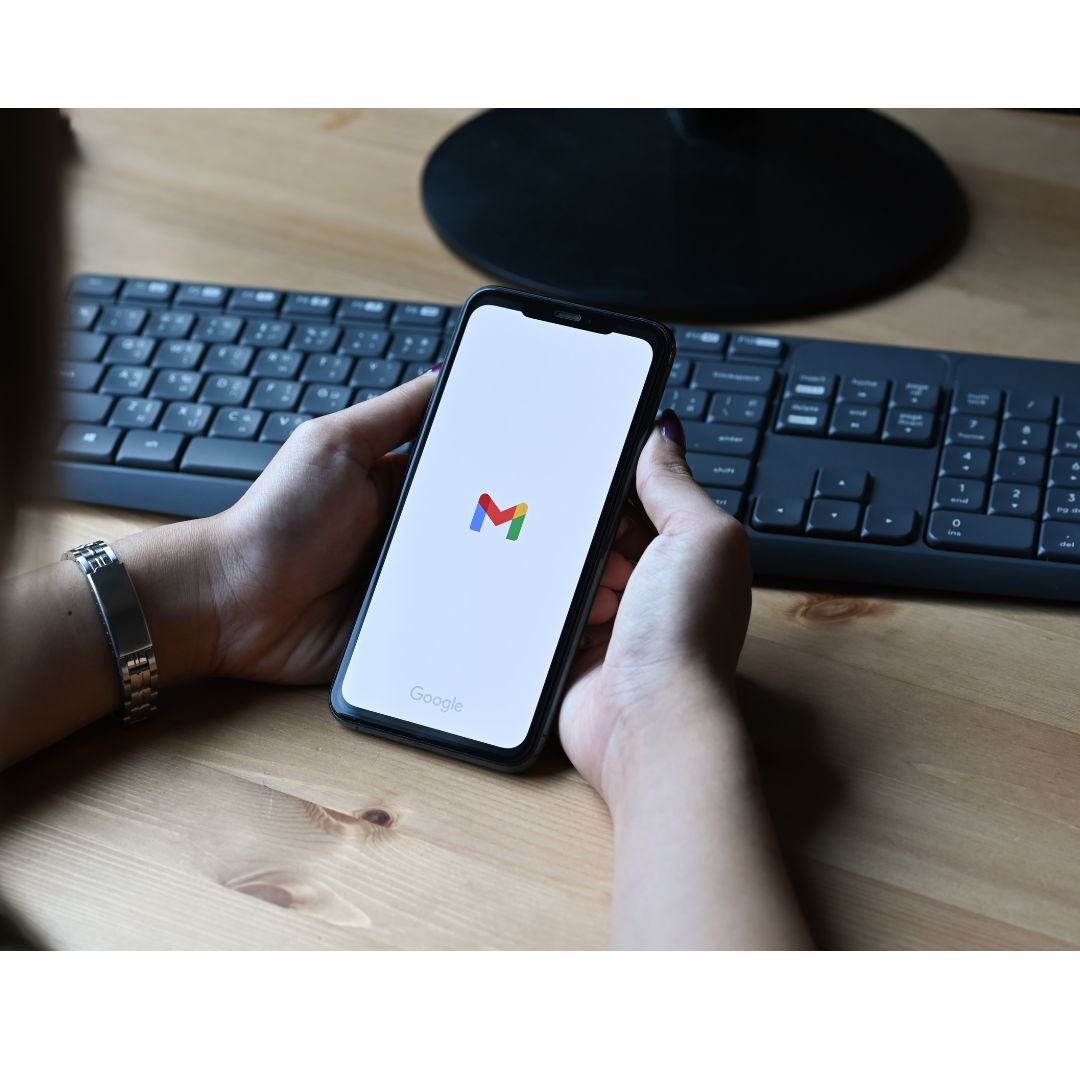
Gemini AI in Gmail: Productivity Boost or Privacy Risk?
Are you a Gmail user? If you are, you might've noticed Google's Gemini AI in your inbox. So, what exactly is this feature and what does it mean for your privacy?Gemini scans your messages to provide advanced features like summarizing, composing new emails, suggesting replies etc.
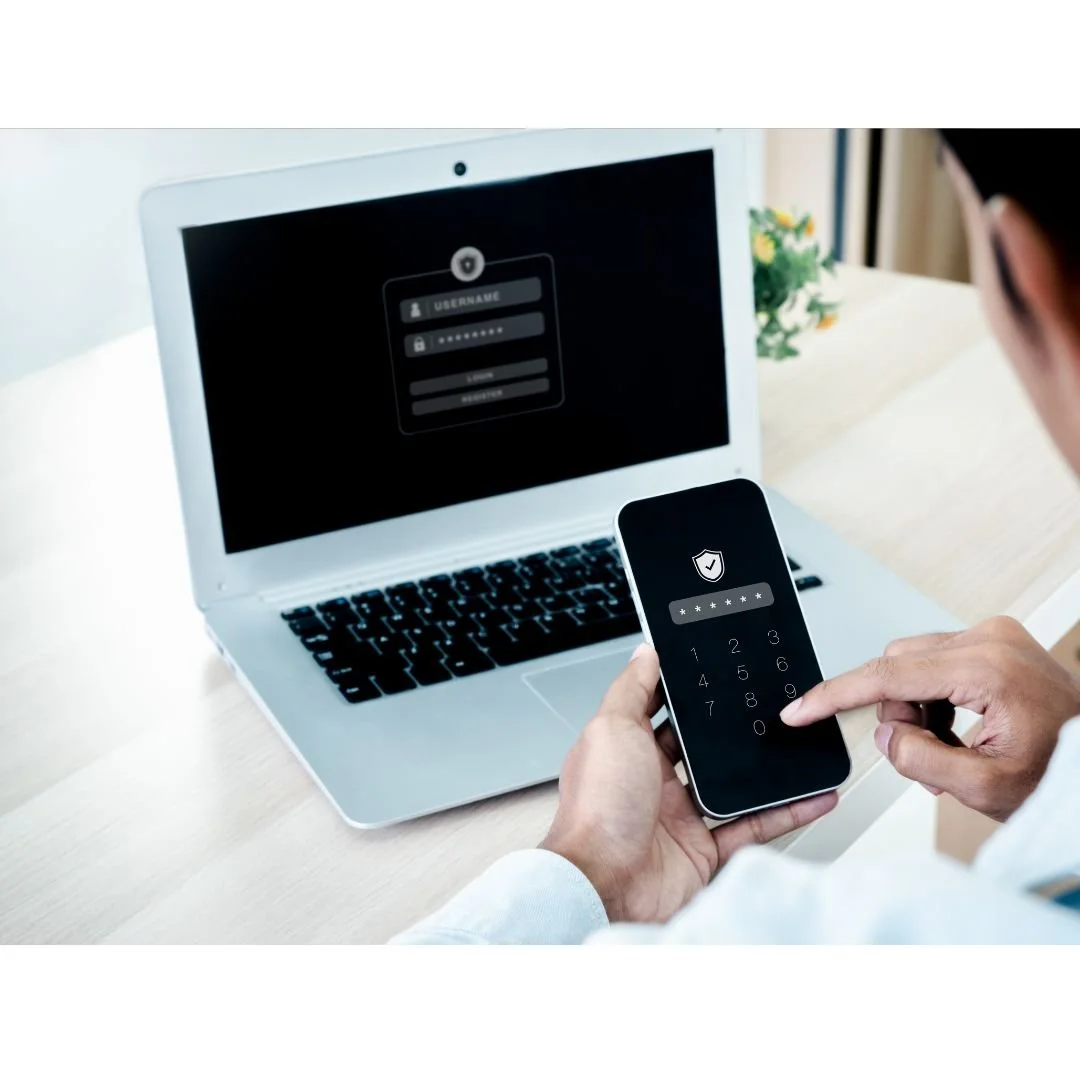
Authentication Explained: 2FA vs MFA for Businesses
When it comes to logging in securely, you’ve probably heard the terms two-factor authentication, or 2FA, and multi-factor authentication, or MFA. They sound almost the same, but there’s a difference -and understanding it can help you make smarter choices about protecting your business.
Cybersecurity Explained: MDR vs Antivirus Protection
When it comes to cybersecurity, one of the biggest points of confusion we hear from business owners is the difference between antivirus software and something much more advanced: Managed Detection and Response, or MDR.

What Is Pretexting and Why Is It So Dangerous
Pretexting is basically the art of storytelling, but with a hidden agenda. It’s when someone creates a fake but believable scenario to trick you into giving up private or sensitive information.

What Is Endpoint Protection? How Firewalls Safeguard Your Network Devices
Before we talk about the firewall, let’s quickly explain what an “endpoint” is. Think of an endpoint as any device your employees use to connect to your business’s network. This could be a laptop, a desktop computer, a tablet, or even a smartphone.
Who Are White Hat Hackers and How Do They Keep Companies Secure?
If you’ve ever heard the term “hacker,” you might think of someone breaking into systems, stealing data, or wreaking havoc online. But what if we told you there’s a type of hacker that companies actually hire to break into their systems - legally and with full permission? Enter the white hat hacker.
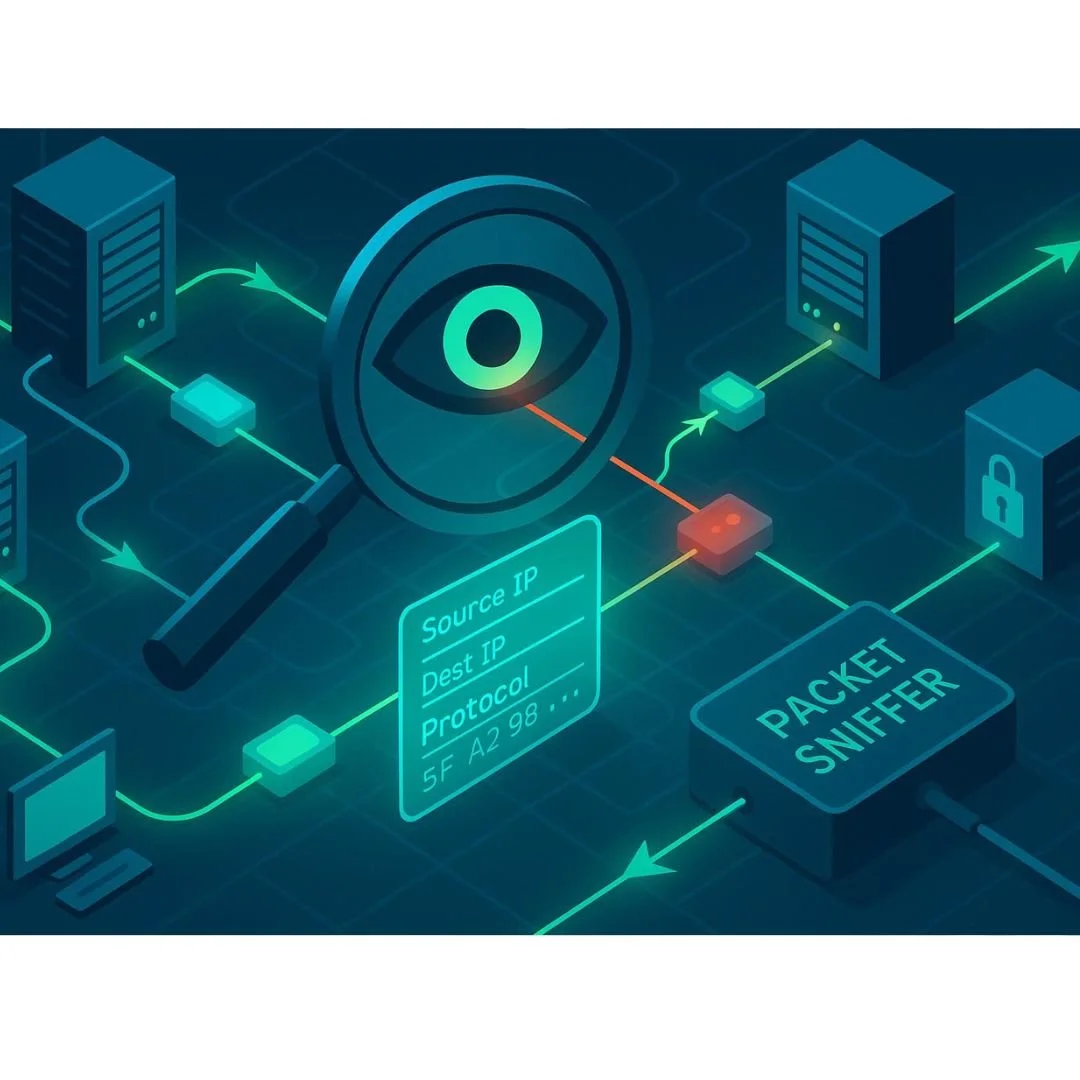
Are Packet Sniffers Safe? What They Do and How They Protect Your Network
If you've ever heard the term "packet sniffer" and pictured some kind of digital detective snooping through internet traffic, you're actually not that far off. A packet sniffer is a tool - usually software, sometimes hardware - that watches data as it travels across a network.
Brute Force Prevention Guide: Steps to Keep Hackers Out
A brute force attack is a common cyberattack method where attackers try every possible combination of passwords or encryption keys until they find the correct one. This trial-and-error approach might seem tedious, but with modern automated tools and significant computing power, attackers can quickly test thousands.

Why Every Business Needs an AI Acceptable Use Policy in 2025
In today's rapidly evolving technological landscape, Artificial Intelligence (AI) has become integral to various organizational operations. As AI tools, especially generative models like ChatGPT, become more accessible, it's imperative for organizations to establish clear guidelines

The Most Common Ways Data Breaches Happen And How to Stop Them
A data breach is essentially someone sneaking into your digital world and taking your information without permission. It can lead to financial loss, legal trouble, and damage to your business’s reputation. But by staying informed and taking proactive steps, you can protect your business and reduce the chances of becoming a victim.

Inside the Mind of a Black Hat Hacker: What You Need to Know
In the world of cybersecurity, the term "black hat" refers to a type of hacker who violates computer security for personal gain, disruption, or harm. So, what makes a black hat hacker tick? And what exactly do they do? Let's break it down in simple terms.

Border Firewalls: Your Business’s First Line of Cyber Defense
When it comes to protecting your business from cyber threats, you’ve probably heard the term "firewall" before. But did you know that not all firewalls are the same? One important type is the border firewall (also called a perimeter firewall). So, what exactly is it, and how does it differ from other firewalls?

Protect Your Data From SQL Injection
SQL Injection or SQLI is a type of cyberattack where hackers use malicious code to manipulate the database behind your website or application. Hackers insert malicious SQL code—a programming language used to manage databases—into an entry field on your website or app. This code tricks the database into revealing information it was supposed to keep private.

Vulnerability Assessment vs. Management: What’s the Real Difference?
Before we dive into the difference, it’s important to understand what we mean by a "vulnerability." In the world of IT, a vulnerability is like a weak spot in your business’s technology – a flaw that hackers could potentially use to break in and cause damage. Think of it like a door in your building that doesn’t lock properly.

Why Antivirus Software Is Essential for Protecting Your Business
Antivirus software is like a security guard for your computer systems. It works quietly in the background to prevent, detect, and remove harmful software, often referred to as malware. SMBs are often targeted by cybercriminals because they may not have the same level of security as larger corporations.

Pen Test vs. Vulnerability Scan: What’s the Difference and Why You Need Both
When it comes to protecting your business from cyber threats, you might have heard terms like “pen test” and “vulnerability scan” thrown around. But what do they mean? And more importantly, what’s the difference between the two?